Reversible air conditioning retrofits for portable cabins
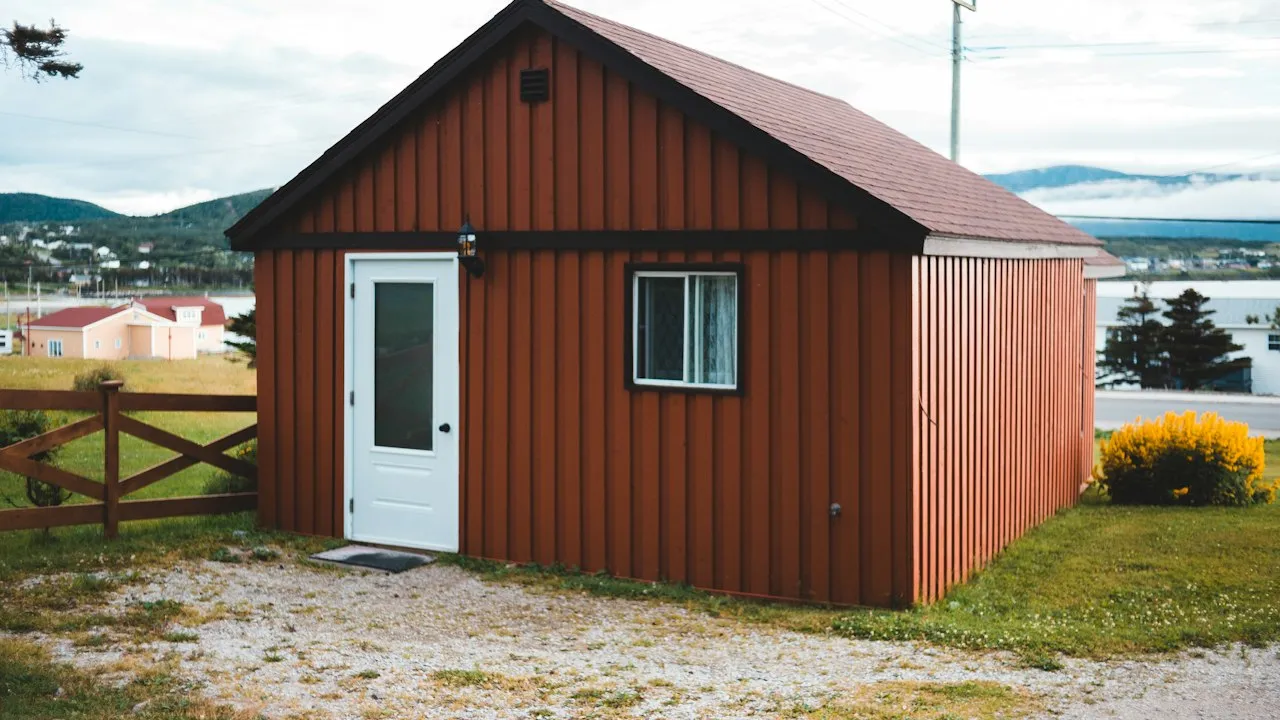
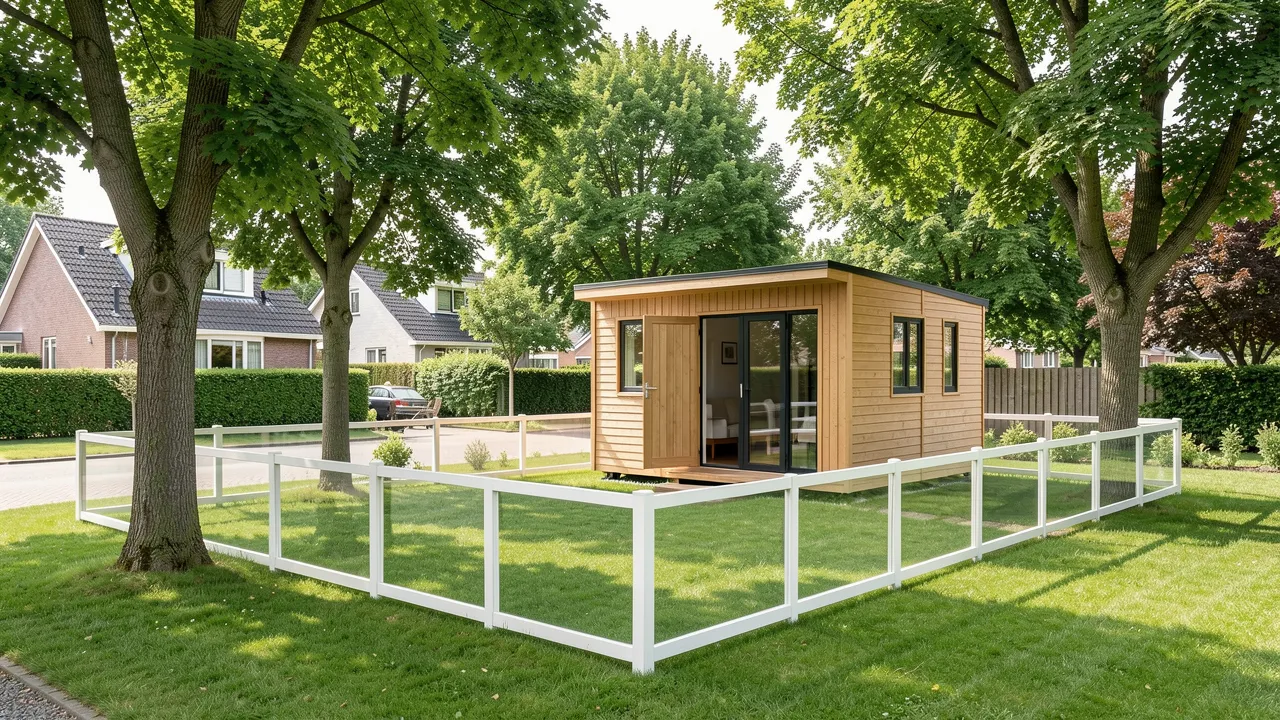
Portable cabins, welfare units and modular site offices can become uncomfortable surprisingly quickly. Lightweight panels, large glazed areas and long occupancy periods often create summer heat build-up, while spring and autumn mornings can feel cold before the building has warmed up. A reversible air-conditioning retrofit can provide cooling and heat-pump heating from one system, provided that the installation respects the cabin’s structure, electrical supply and future ability to be moved.
Start with a condition survey of the portable cabin
Before requesting quotations, inspect the cabin as a building rather than treating air conditioning as a standalone appliance. Check wall and roof panel condition, signs of water ingress, the state of door and window seals, and whether insulation has been damaged during previous moves. A heat pump will operate more efficiently in a reasonably airtight cabin, while draughts and thermal gaps can leave occupants uncomfortable even when the unit is correctly sized.
Measure the internal floor area, ceiling height, glazing, number of regular occupants and heat-generating equipment. Computers, printers, kitchen appliances and direct sunlight can substantially increase cooling demand. Note how the cabin is used across the day, especially if it serves as a meeting room, site office, changing unit or welfare space.
For teams managing temporary accommodation, modular buildings and construction facilities, https://www.ceeconstruction.eu/ offers a relevant reference point for the wider construction context. Modular projects rely on planned interfaces between structure, services and access routes. The same approach supports a cleaner HVAC retrofit, particularly where cabins may be relocated, extended or repurposed.
“The best retrofit is the one that improves comfort without creating tomorrow’s repair problem.”
Check the panel build-up before making penetrations
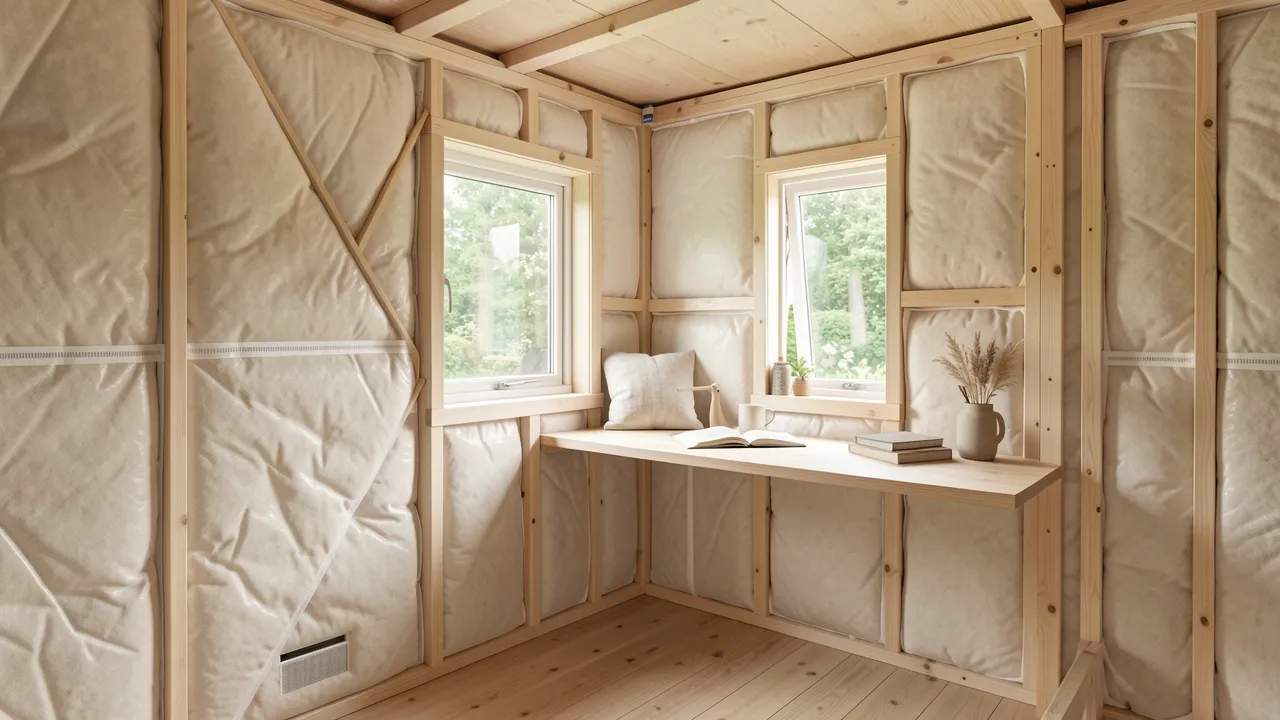
Most portable cabins use insulated sandwich panels with metal skins around an insulation core. Drilling through these panels without knowing their build-up can introduce leaks, crush insulation or leave exposed edges vulnerable to corrosion. Ask the cabin manufacturer, supplier or previous owner for drawings if they are available.
Where a wall penetration is needed for refrigerant pipes, electrical cable and condensate drainage, select a location away from structural posts, corner joints, door frames and panel seams. The opening should be properly sleeved, sealed and finished with a weather-resistant external cover. This protects the insulation continuity and keeps the installation neat.
Choose indoor and outdoor locations that preserve the cabin
The indoor unit should distribute air across the occupied area without blowing directly onto desks, seating or break areas. In a small site office, a high wall position facing the longest clear section of the room generally works well. Avoid placing it above filing cabinets, screens or equipment that would make servicing difficult.
A wall-mounted indoor unit needs a stable fixing point. If the panel construction cannot safely support the equipment, use a designed backing plate or an alternative mounting arrangement approved for the cabin type. Do not rely on thin metal skins alone.
Place the outdoor unit on an accessible, stable support
Outdoor unit placement affects noise, maintenance, drainage and portability. A freestanding galvanised frame, concrete pads or a dedicated ground stand often avoids unnecessary loading on modular walls. It can also simplify removal when the cabin is moved.
Leave clear airflow space around the condenser and keep it away from vehicle routes, pedestrian pinch points and areas where site debris may accumulate. If the unit is mounted on brackets, confirm that the wall structure can carry the load and vibration. Anti-vibration mounts reduce transmitted noise inside the office.
Route refrigerant pipework in protective trunking where it remains visible and serviceable. Short, direct routes are usually preferable, but pipe runs should not obstruct doors, escape paths or lifting points. For cabins intended for frequent relocation, consider a route that can be disconnected and reinstated with limited panel work.
Confirm power, condensate and ventilation arrangements
A reversible split system needs an electrical assessment before installation. Check the consumer unit rating, spare ways, earthing, cable condition and the combined load from heaters, kettles, computers and lighting. A dedicated circuit with suitable protection may be required. Your installer should verify the supply rather than assuming that an existing socket circuit can accommodate the new equipment.
Condensate requires equal attention. During cooling, the indoor unit produces water that must drain continuously to a suitable external point. During heating, the outdoor unit also produces defrost water in colder conditions. Poor drainage can cause internal leaks, slippery surfaces or water collecting beneath the cabin.
Maintain a continuous fall on the condensate pipe where possible. If a condensate pump is necessary, position it where it can be inspected and maintained. Avoid discharging water onto walkways, access steps or ground likely to freeze.
Air conditioning does not replace fresh-air ventilation. A cabin with sealed windows and regular occupancy may still need opening windows, passive vents or a separate mechanical ventilation strategy. This is particularly relevant in welfare units, meeting cabins and spaces where several people work for prolonged periods.
Set the system for comfortable year-round operation
Reversible air conditioning performs best with steady, moderate settings. In summer, extreme low temperature targets can lead to complaints about drafts and higher electricity use. In cooler months, heat-pump heating is generally more comfortable when the target temperature is stable rather than repeatedly raised and lowered.
Use programmable controls where occupancy is predictable. A timer can pre-condition the cabin before staff arrive, while a setback temperature limits unnecessary operation overnight. Clean filters regularly and keep the outdoor coil free from leaves, packaging and construction dust.
Ask the installer to provide commissioning records, electrical test results, operating instructions and maintenance guidance. Keep these documents with the cabin asset file so that future site managers and relocation contractors understand the installation.
A low-impact retrofit protects comfort and portability
A well-planned installation gives a portable cabin cooling in summer and efficient heating in milder weather without undermining its structure or appearance. Before approving work, focus on these practical points:
- Survey panels, insulation, seals and structural fixing locations.
- Size the system around occupancy, glazing, equipment and solar gain.
- Use serviceable pipe routes and sealed penetrations.
- Verify electrical capacity and provide suitable circuit protection.
- Plan indoor and outdoor condensate drainage.
- Keep outdoor equipment accessible, protected and clear of lifting operations.
- Retain ventilation provisions alongside the air-conditioning system.
- Document the installation for future maintenance and cabin relocation.
With careful placement, suitable electrical planning and disciplined detailing, portable building heating and cooling can become a durable upgrade rather than a temporary workaround.