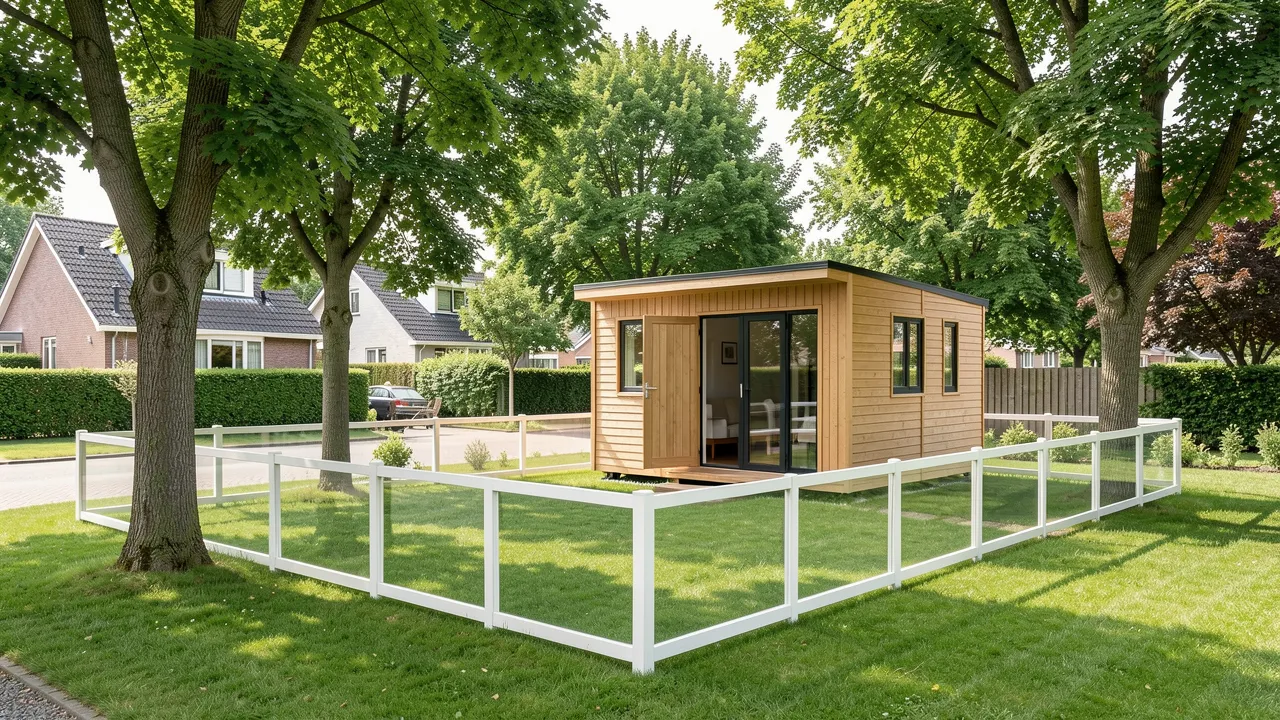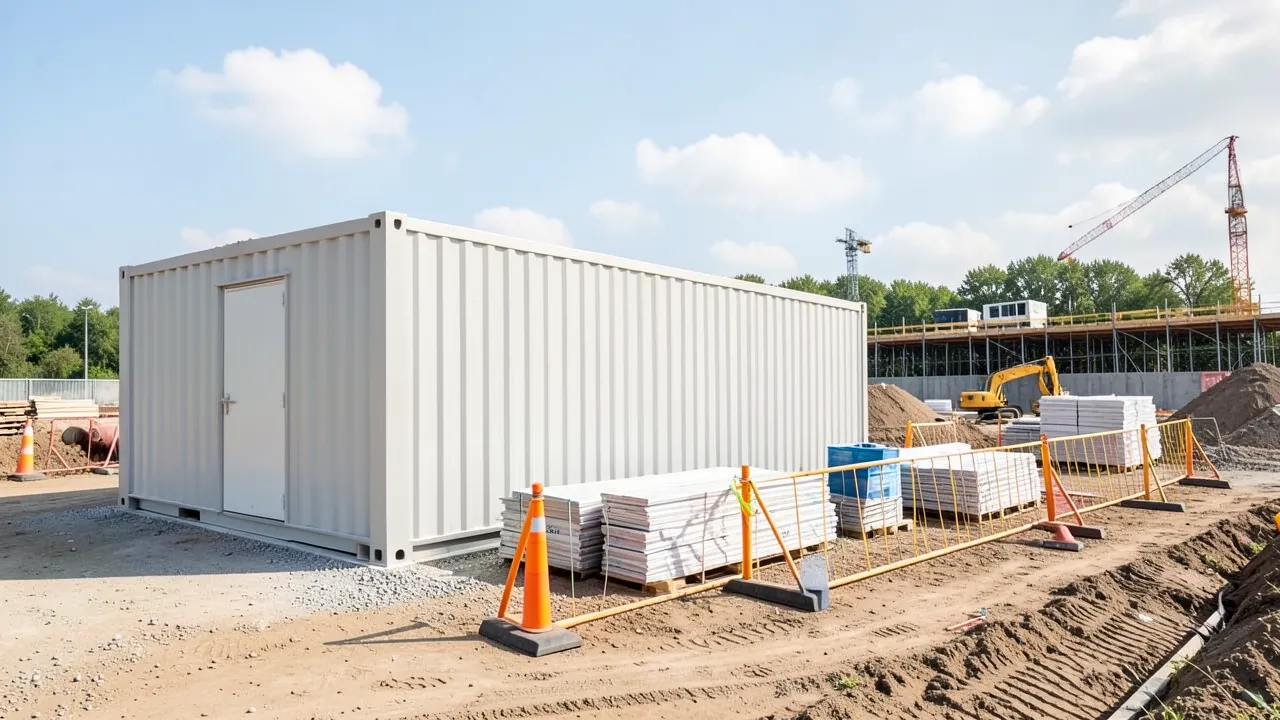







Preventing condensation in a modular garden office
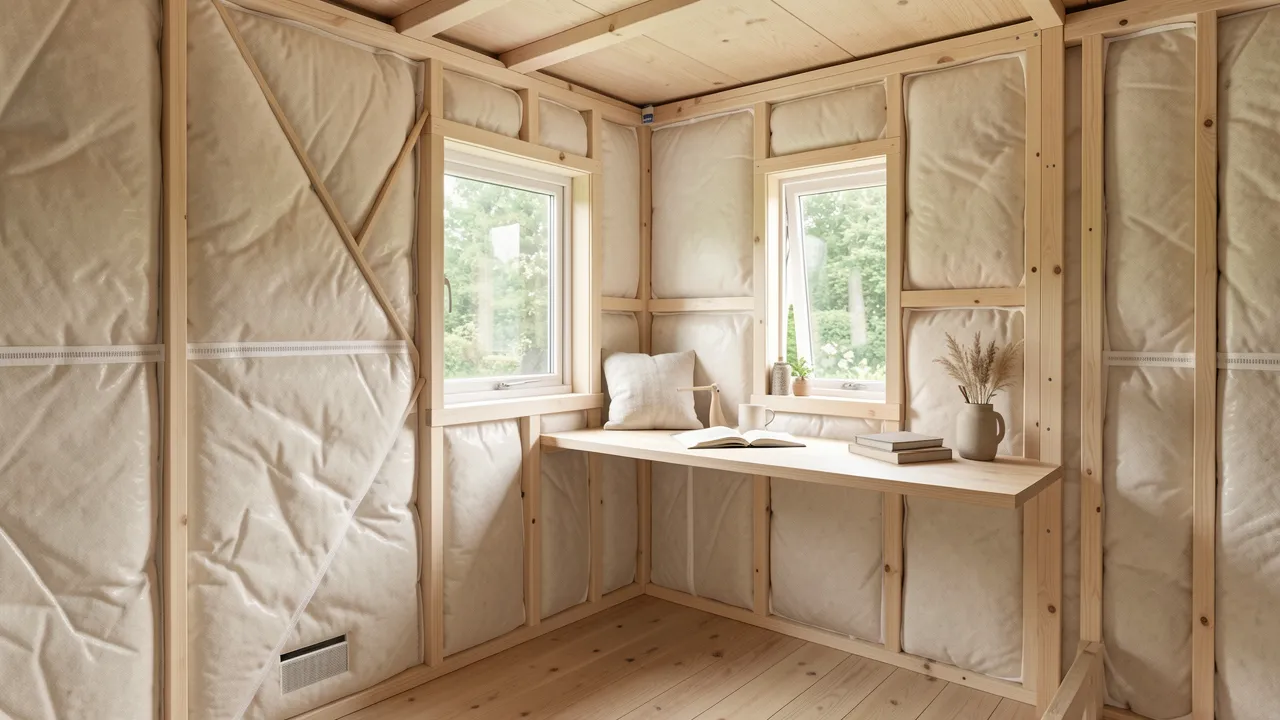
A modular or portable cabin can become a productive, comfortable garden office throughout the year, but interior decoration alone will not deliver that result. Moisture control needs to be planned before desks, wall linings and storage are installed. By checking the building envelope, limiting cold surfaces and providing controlled airflow, you can prevent mould, musty odours and damage to finishes.
Condensation and water ingress require different responses
Condensation occurs when warm, moisture-laden indoor air touches a surface that is colder than the dew point. In a compact garden office, daily activities such as breathing, making coffee or drying a damp coat can raise humidity quickly. If walls, window frames or roof panels contain cold spots, water droplets form on those surfaces.
Water ingress is different. It comes from outside through damaged seals, roof penetrations, cracked cladding, poorly flashed windows or gaps at the floor perimeter. Unlike condensation, it may remain visible after the cabin has been unoccupied and unheated for several days.
Before starting internal finishing work, seek practical renovation advice that covers insulation, roof maintenance, damp protection and building improvements. See the tips for guidance related to home works and construction projects. This type of preparation helps you plan the order of work, from weatherproofing the shell to fitting insulation and internal linings. A dry, sound exterior envelope should always come before decorative upgrades.
Check the cabin methodically before lining the walls
Inspect the roof first, especially around vents, cable entries, skylights and joints between panels. Look for staining, warped ceiling boards, rust marks on fixings or softened timber. Outside, check whether rainwater runs away from the cabin rather than pooling beneath it.
Then examine windows and doors. Failed seals, poorly adjusted hinges and uninsulated frames can create both draughts and local condensation. At floor level, inspect the junction between the cabin base and its support. A portable building placed too close to soil, paving or standing water can draw dampness upward or allow wind-driven rain beneath the structure.
Take photographs and record where marks appear. A patch directly below a roof joint after rainfall suggests a leak. Moisture that appears mainly on cold mornings, particularly on glazing or metal framing, usually points to condensation.
Continuous insulation reduces the cold surfaces that attract moisture
Many modular cabins have insulated wall and roof panels, yet their performance can be weakened by thin areas around structural members, corners and service penetrations. These weak points are known as thermal bridges. They allow heat to escape faster than through the surrounding insulation, leaving inner surfaces cold enough for condensation.
When converting the cabin, aim for continuous insulation across walls, the roof and floor. Do not assume that wall insulation alone will be sufficient. Cold rising from an uninsulated floor can make the room uncomfortable, while heat loss through a thin roof can create condensation above ceiling level.
| Area to inspect | Common moisture risk | Suitable improvement |
|---|---|---|
| Roof and ceiling junction | Cold eaves, leaking fixings, gaps around cables | Add insulated lining, seal penetrations and repair external flashings |
| Wall panel joints | Thermal bridging and air leakage | Tape or seal joints, fit a continuous internal insulation layer where space permits |
| Windows and doors | Cold frames, failed gaskets, draughts | Renew seals, adjust closures and use insulated reveals |
| Floor edges and base | Cold bridging, splashback and rising damp | Insulate the floor, maintain ground clearance and improve drainage |
| Service openings | Unsealed pipes and electrical cables | Use appropriate grommets, tapes or sealants around every penetration |
Vapour control layers must suit the wall build-up
A vapour control layer can reduce the amount of indoor moisture entering an insulated wall or roof void. It is usually placed on the warm side of the insulation, behind internal plasterboard or wall panelling. Its joints, overlaps and edges must be sealed carefully, since small gaps can allow humid air to reach cold layers behind the lining.
However, a vapour control layer is not a universal cure. Adding one without understanding the existing panel system can trap moisture in the wrong place. If your cabin has metal-faced insulated panels, timber framing, or an unknown wall build-up, ask a qualified building professional to assess the assembly before closing it in.
Avoid packing insulation tightly around areas that need ventilation or drainage. Roof cavities, in particular, may need a designed air path depending on their construction. The goal is not to make the cabin accidentally airtight, but to control where air and moisture move.
Ventilation and heating keep the office dry in daily use
A well-sealed garden office still needs regular fresh air. Opening a window for a few minutes helps, but background ventilation provides more reliable moisture control when the room is occupied for long periods. Trickle vents, wall vents or a small mechanical extractor can remove humid air without leaving the room permanently cold.
If you install an extractor, choose one sized for the cabin’s volume and use. A unit with a humidistat can switch on automatically when relative humidity rises. Position it so that air moves across the room rather than taking a direct shortcut from an inlet vent to the fan.
Heating also matters. Intermittent high heat followed by long cold periods can leave surfaces chilly and encourage condensation when you return. A correctly sized electric panel heater, infrared system or heat pump should maintain a steady background temperature. Stable, moderate warmth is generally more effective than short bursts of intense heating.
Keep a small hygrometer on the desk. For most garden offices, indoor relative humidity around 40 to 60 percent is a practical target. If readings remain high, improve ventilation and investigate hidden moisture sources before relying on a dehumidifier.
Everyday habits protect your modular garden office
Small routines help the building perform as intended:
- Ventilate after arriving, especially if the cabin has been closed overnight.
- Wipe window condensation promptly and check whether it returns daily.
- Keep furniture a few centimetres away from external walls to allow airflow.
- Avoid drying laundry, storing wet tools or keeping open water containers inside.
- Clear leaves from gutters and inspect roof seals after storms.
- Maintain drainage around the cabin so rainwater cannot collect at the base.
- Check humidity levels during winter, when cold external conditions increase the risk of surface condensation.
A dry garden office starts with a planned conversion
A successful modular office conversion treats insulation, airtightness, ventilation and heating as one connected system. Repair external leaks first, then remove thermal bridges where possible and select vapour-control measures that suit the existing construction. With steady heating, purposeful ventilation and routine checks around the roof, openings and floor edges, your portable cabin can remain a healthy, dry workspace through every season.