






Portable buildings for temporary site storage
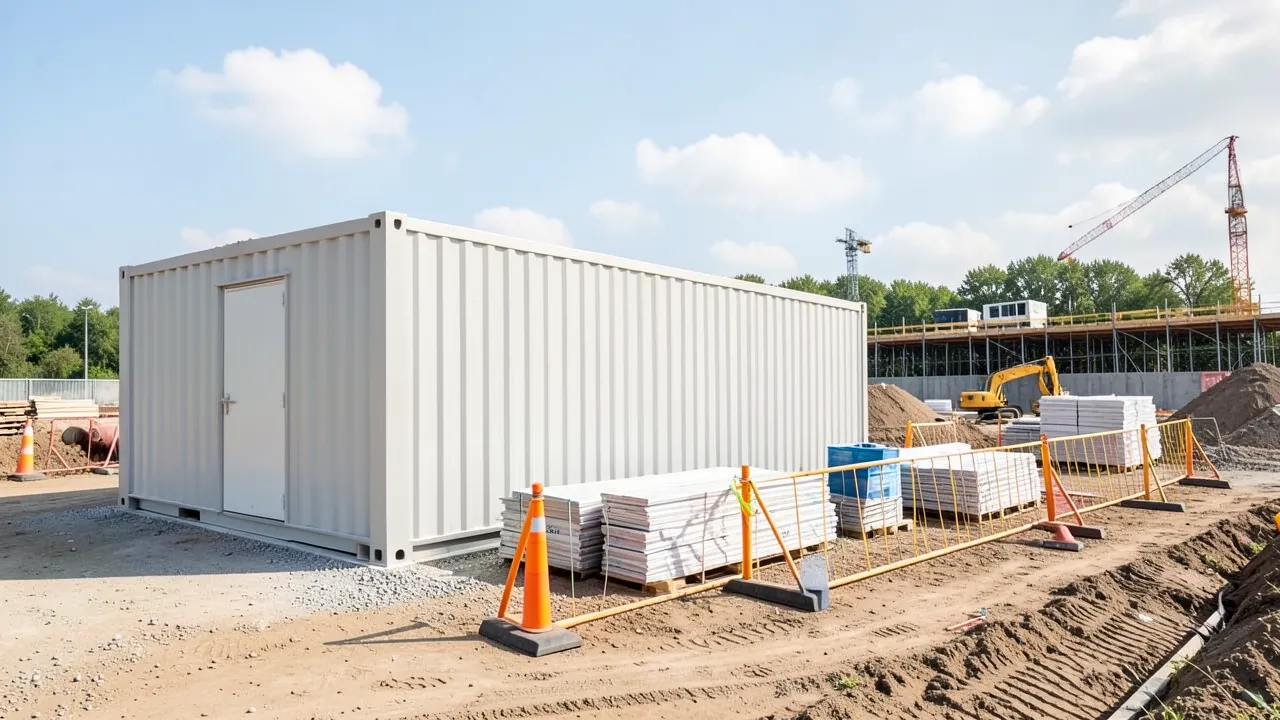
Portable buildings have become a practical answer for sites that need secure, flexible storage without the delays of permanent construction. Whether you are managing a housing development, a rail project, a utility upgrade, or a logistics yard, temporary storage must be protected, accessible, and easy to adapt as the site changes. A well-chosen unit can keep tools safe, preserve materials in good condition, and reduce the daily friction that slows teams down.
Why temporary site storage needs more than a makeshift solution
Temporary storage is often treated as a short-term detail, yet it can affect productivity, safety, and cost control from the first day on site. When supplies are left exposed or scattered across a compound, losses mount quickly. Weather damage, theft, and accidental contamination can all create avoidable delays.
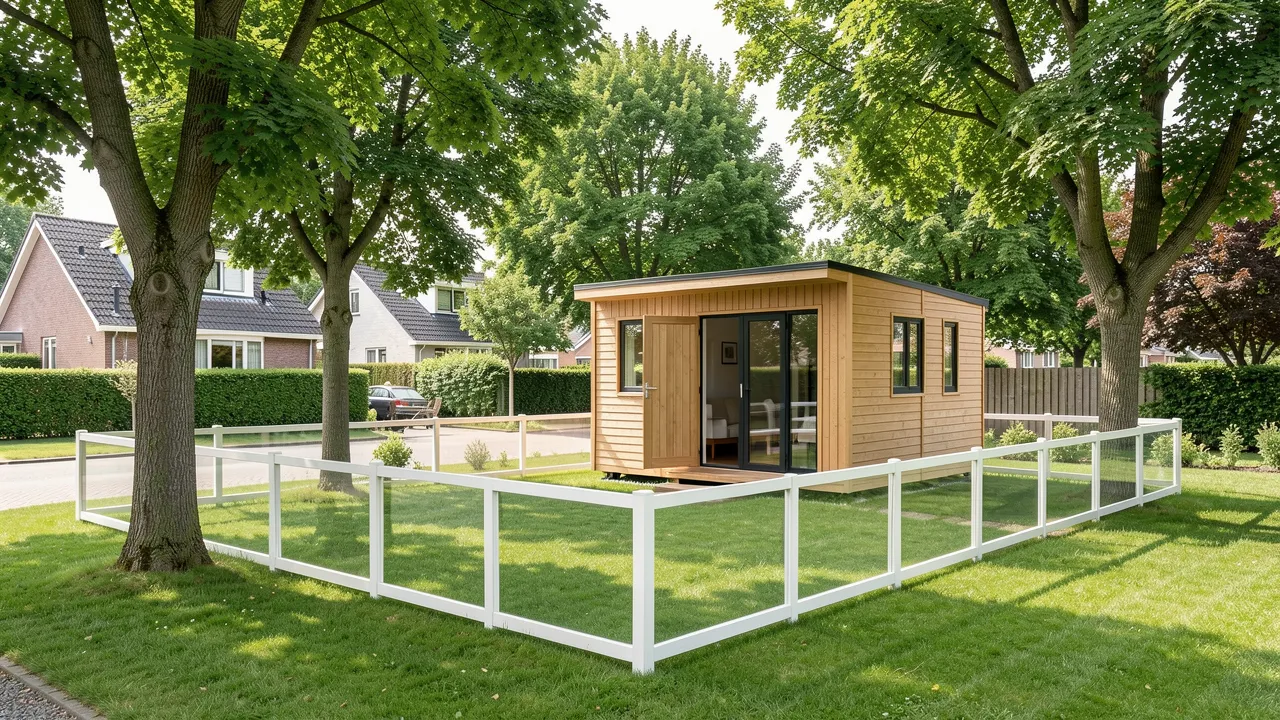
Portable buildings offer a tidy alternative to tarpaulins, shipping containers, or ad hoc sheds. They can be positioned near work zones, fitted with shelving, and arranged to suit the flow of the project. That means fewer wasted steps for staff and less time searching for equipment.
The practical benefits on active sites
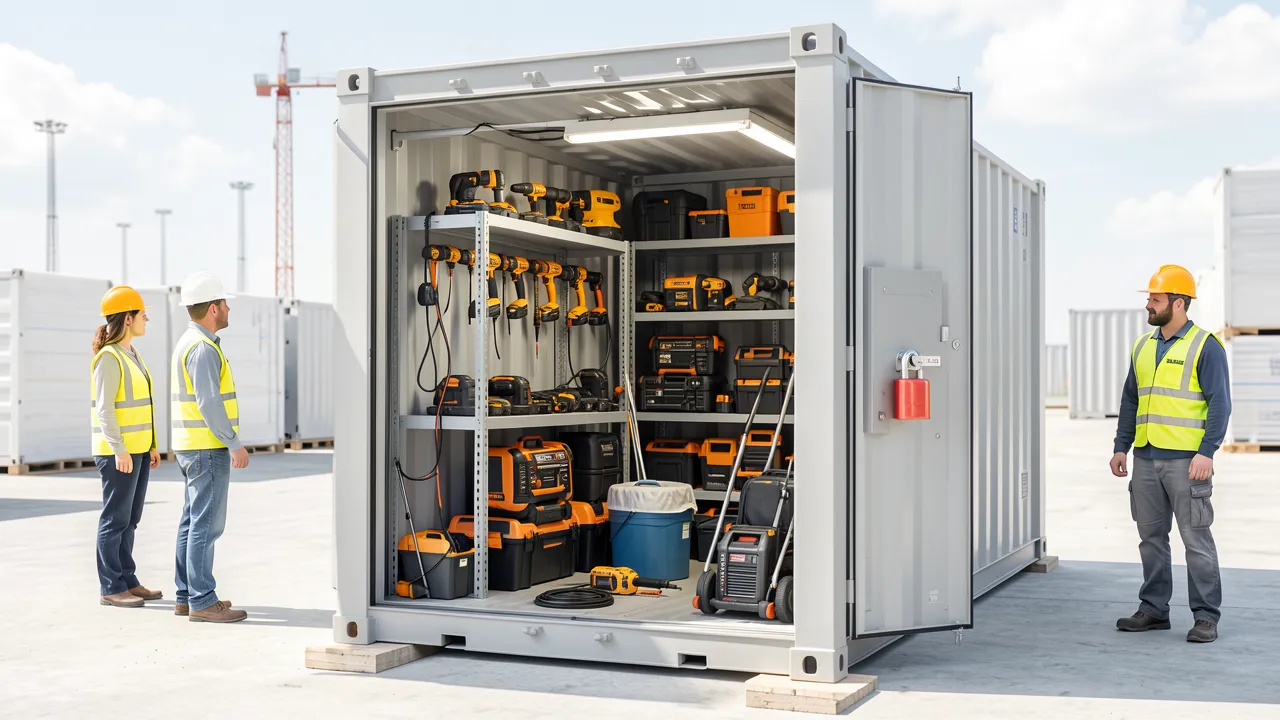
A portable storage building gives you a defined space for tools, spare parts, fixings, PPE, and consumables. It can also separate high-value items from general stock, which improves site discipline. For projects with multiple trades working at once, this makes handovers smoother and reduces the chance of mix-ups.
The strongest advantage is adaptability. As the site expands or the work sequence changes, the building can be moved, enlarged, or repurposed. For teams needing a broader planning view, Modular office planning in the UK for efficient workplaces shows how modular layouts can support changing operational demands.
How portable buildings support security and compliance
Site storage is not just about keeping things dry. It must also help you manage access, prevent damage, and meet site procedures. Portable buildings can be fitted with reinforced doors, robust locking systems, alarm points, and controlled entry arrangements. That gives site managers a clearer chain of responsibility for valuable equipment.
Protecting materials from weather and theft
Rain, frost, and UV exposure can damage sensitive materials long before they are used. Cement, adhesives, electrical items, and packaged components all benefit from a protected environment. A closed storage unit also makes theft less likely by reducing visibility and limiting easy access.
For sites that operate on tight budgets, a sensible procurement approach matters too. If you need to compare ownership models, Hire, lease or purchase modular buildings in the UK provides useful context for choosing the arrangement that fits your project timeline.
Meeting the needs of different sectors
Not every site stores the same items. A residential development may need space for fixtures and fitting packs, while a utilities contractor may store replacement parts and safety gear. The building specification should follow the inventory, not the other way around. That may mean adding insulation, racking, ventilation, or lighting depending on what is kept inside.
Choosing the right portable building for your site
The right unit depends on how the site operates and how often the storage requirement changes. Some projects need a small, secure cabin near the gate. Others need a larger building with zones for different trades or materials.
Size, layout, and access
Before ordering, review what will be stored, how frequently items will be collected, and whether pallet trucks or forklifts need access. Door width, internal height, and floor loading all matter. A good layout can cut congestion and make deliveries easier to manage.
You should also think about the building’s position on site. It needs to be reachable without blocking traffic routes or emergency access. In many cases, the best storage unit is the one that supports a clean workflow rather than simply offering the largest footprint.
Comfort and durability features
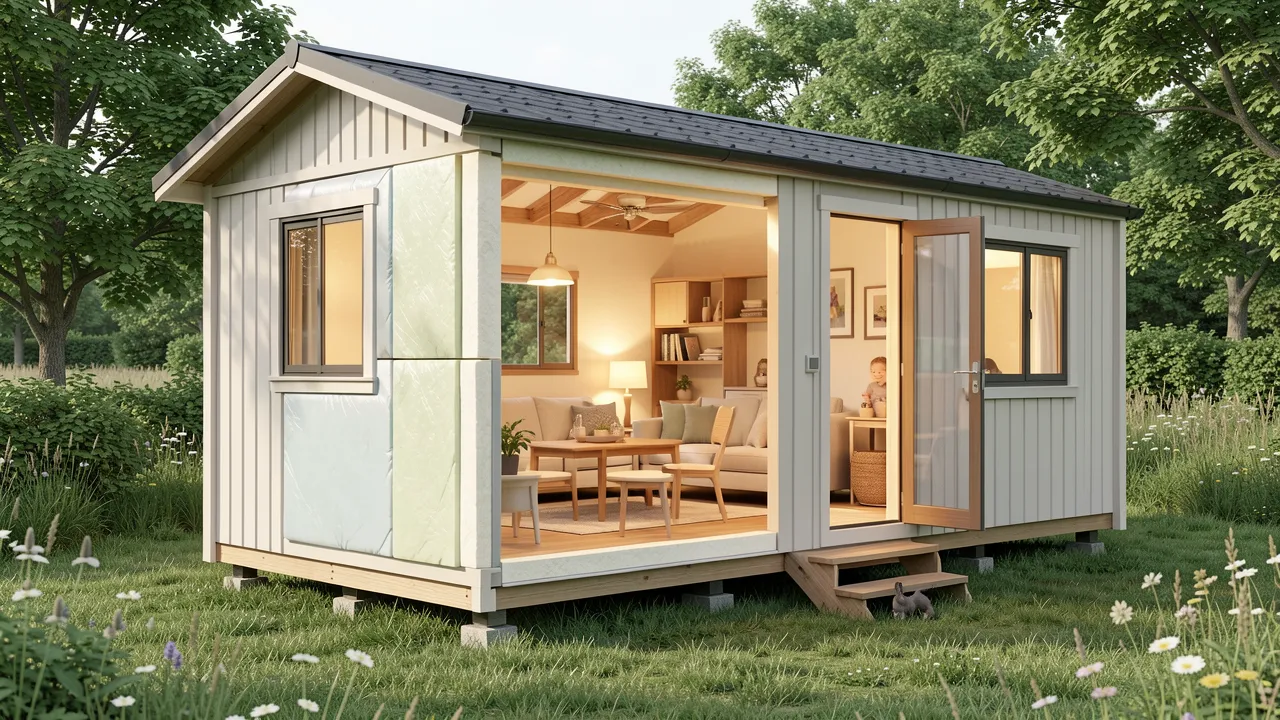
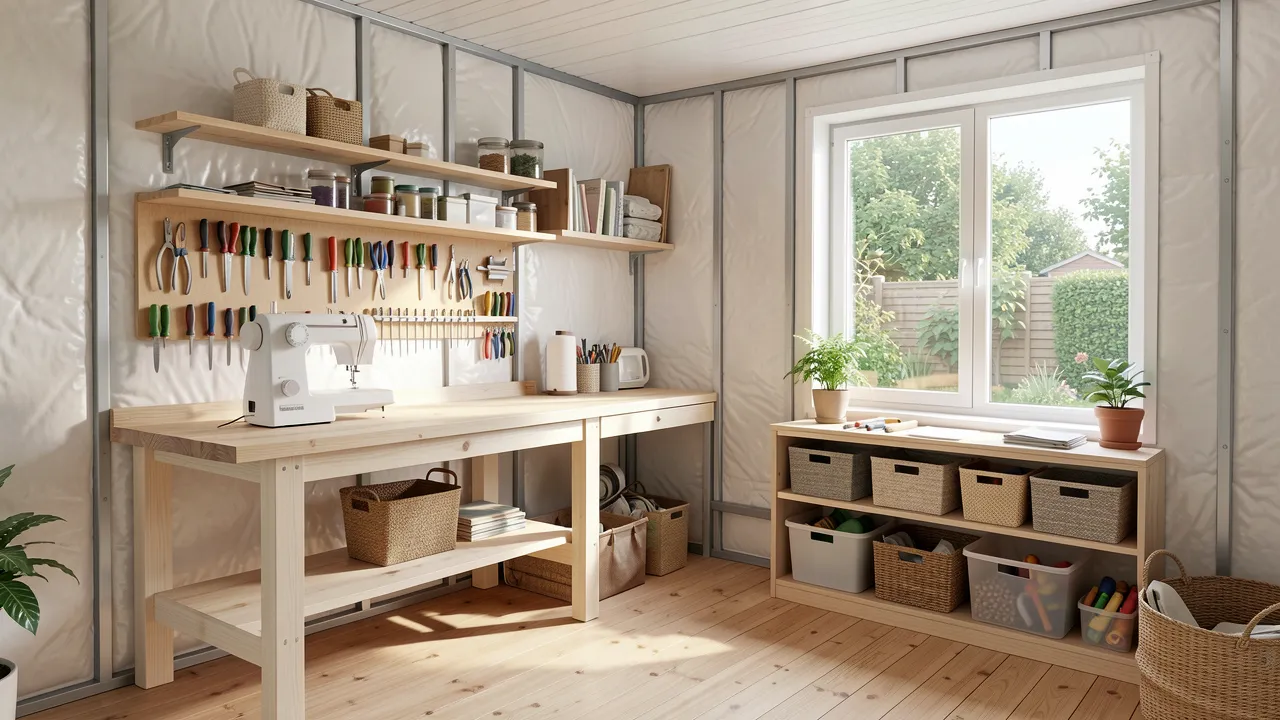
Some storage buildings only need basic weatherproofing, while others require insulation and power for long-term use. If staff need to check stock frequently or issue materials throughout the day, good lighting and a stable internal temperature can make a noticeable difference. Durable finishes and easy-clean interiors are also useful where dirt and dust are routine.
How temporary storage can support wider site planning
Portable storage does more than hold equipment. It can sit within a broader temporary accommodation strategy that includes offices, welfare units, and classrooms where relevant. That integrated approach reduces duplication and helps site teams work from one coherent layout.
Projects with changing layouts benefit from modular thinking because a building can be moved or reassigned when the next phase begins. This flexibility is also useful for estates, education, and phased refurbishment schemes. For instance, Mobile classrooms for growing schools and estates illustrates how temporary buildings can answer fast-changing demand without creating long disruption.
Planning for future reuse
Temporary storage should not be viewed as a single-use purchase. A well-maintained unit can be redeployed on another project, adapted for office support, or expanded with additional modules. That reuse potential can improve the overall return on investment and reduce waste across the business.
Sustainability also plays a growing role in material selection and building strategy. Low carbon modular construction with reused units offers a useful perspective on how reuse can reduce environmental impact while keeping projects practical.
A simple checklist for getting storage right
Before you commit to a portable building, review the following points:
- What will be stored, and how sensitive is it to weather or temperature?
- How often will staff need access, and from which part of the site?
- Do you need shelving, racking, lighting, power, or ventilation?
- Will the building remain in one place or move between phases?
- What level of security is needed for the items inside?
- Can the unit be reused on another project once the work ends?
A few careful decisions early on can prevent disruption later. The best temporary storage supports the site team without attracting attention to itself: it simply does the job.
A practical way to keep sites organised and ready
Portable buildings for temporary site storage offer a straightforward answer to a common challenge. They protect materials, support security, and give site managers a clearer structure for day-to-day operations. More than that, they help projects stay organised when deadlines are tight and conditions change.
When selected with care, a storage unit becomes part of the site’s working system rather than an afterthought. That means fewer losses, better control, and a more professional environment for everyone on the project.