Small jobs that make a modular garden office ready to use
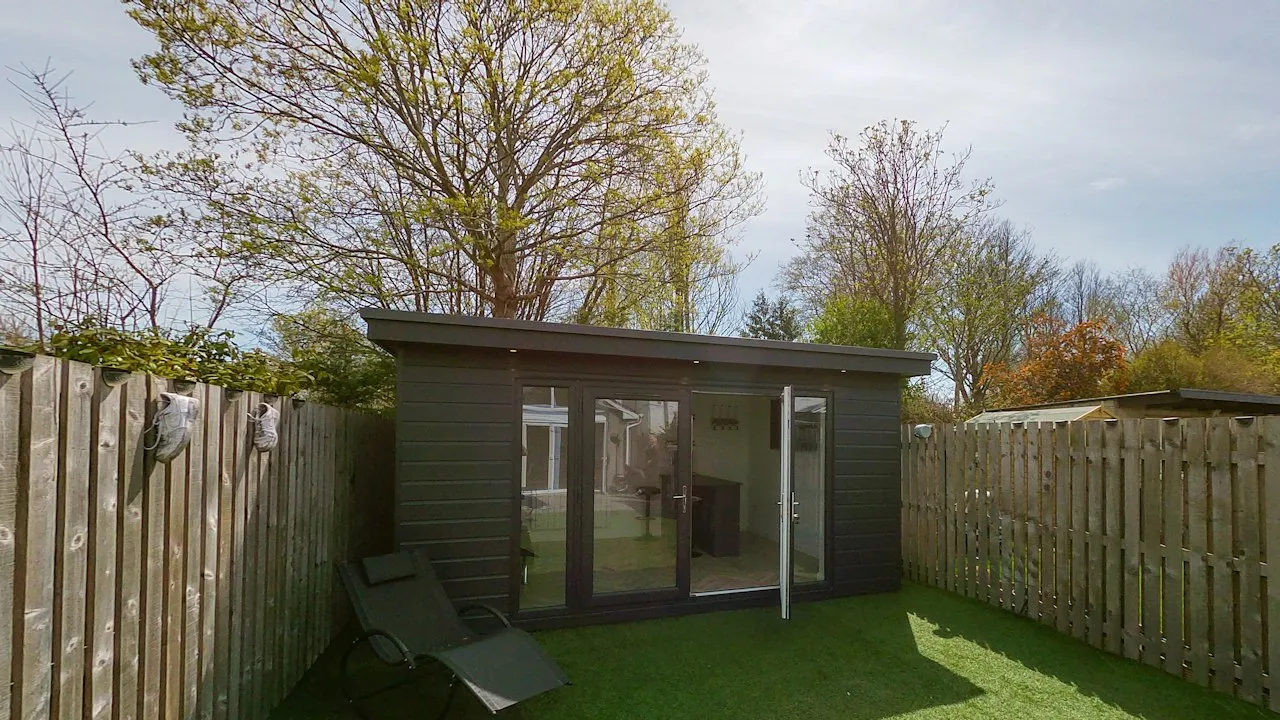
A modular garden office or portable cabin can arrive largely finished, yet the surrounding small jobs determine whether you can use it comfortably from day one. A clear path, reliable storage, weather-tight edges and safe access make the space feel like a real workplace rather than a unit waiting for attention. By assessing the site and planning modest repairs in the right order, you can avoid repeated trips to the hardware shop and reserve specialist work for qualified professionals.
Start by checking the site around your new workspace
Before hanging shelves or arranging furniture, inspect the immediate area around the modular building. Walk the route from your home to the office in wet and dry conditions. Look for trip hazards, uneven paving, low branches, loose fence panels and areas where rainwater pools near the base of the unit.
For small repairs, tool selection and material planning, practical DIY tips can help you prepare a realistic list of jobs. DIY work around a garden office often involves measuring timber, choosing wall plugs, sealing joints, fitting hardware and assembling practical furnishings. A basic toolkit with a tape measure, spirit level, drill, screwdriver set, utility knife, sealant gun and personal protective equipment covers many routine tasks. Buying fixings that suit the wall, floor or ground material avoids weak installations and unnecessary damage.
Check whether the ground near the cabin slopes toward the building. Water should drain away from the unit, not gather against cladding, skirting or the entrance threshold. Clear leaves from nearby drainage channels, inspect gutter outlets if fitted, and ensure any gravel or paving does not block intended runoff routes.
You should also identify suitable fixing points before installing accessories. Internal walls in prefabricated units may contain metal studs, timber framing or insulated panels. Use a stud finder where appropriate, consult the unit documentation and avoid guessing. Heavy shelves, wall-mounted cupboards and folding desks need fixings rated for the load and compatible with the wall construction.
Plan the small jobs that make daily use easier
A short written task list helps you separate quick improvements from work requiring specialist knowledge. Begin with jobs that affect safety and access, then move to comfort and organisation. Grouping tasks by tools and materials also makes the work more efficient.
Address access, security and weather protection first
The following jobs are often manageable for a careful homeowner, provided the materials and fixing points have been checked:
-
Secure a loose gate or garden entrance. Tighten hinge bolts, replace badly corroded screws and check that the gate closes without dragging along the ground. If the post itself moves, the repair may involve resetting it in concrete or addressing rotten timber. A stable gate improves security and makes the route to the office safer when carrying a laptop, files or supplies.
-
Improve the path to the office. Reposition loose stepping stones, fill minor holes, cut back vegetation and add a non-slip surface near the door. Gravel can work well when contained with edging, while paving slabs need a firm, level base. Avoid creating a raised edge directly in front of the threshold, where it could become a trip point or obstruct the door.
-
Seal minor gaps around trim and service entries. Small gaps near external trim, window surrounds or pipe penetrations can admit draughts, insects and moisture. Remove loose old sealant, clean and dry the surface, then apply an exterior-grade product suitable for the materials involved. Do not seal designed ventilation openings, as these support airflow and moisture control.
-
Fit curtain rails, blinds or privacy film. Measure the width and mounting height twice before drilling. Curtain rails need fixings capable of supporting both the rail and fabric weight, particularly for wider windows. For lightweight blinds, use manufacturer-supplied brackets only where the wall or window frame material can safely accept them.
-
Assemble storage furniture carefully. Flat-pack cabinets, drawer units and shelving can make a compact office much more practical. Build them on a protected, level surface, tighten fittings evenly and anchor tall units where there is a suitable structural fixing point. Keep heavier items in lower drawers and shelves to reduce tipping risk.
Measure materials before you buy them
Accurate measurements prevent many common DIY frustrations. Record wall widths, ceiling height, door swing clearance, shelf depth and the distance between power outlets and planned furniture. Add a little allowance for cutting timber or trim, but avoid purchasing oversized components that cannot fit through the office door.
For shelves, calculate the likely load rather than choosing brackets by appearance alone. Books, archive boxes and printer paper are heavier than many people expect. For outdoor repairs, select galvanised, stainless steel or otherwise weather-resistant screws and brackets where exposure to rain is likely.
Know when a handyman or qualified trade is the safer choice
A short handyman visit can be a sensible option when several small jobs need completing in one session. A multiservice professional can often adjust a gate, mount shelves, install a curtain rail, assemble storage and repair minor trim issues efficiently, provided the work does not require a regulated specialist.
Electrical work needs particular caution. Adding circuits, altering consumer units, connecting an outbuilding supply or repairing damaged cables should be handled by a qualified electrician. Similarly, persistent water ingress, standing water near foundations, major drainage failures and structural movement require a more thorough assessment than a tube of sealant or a quick patch.
Avoid cutting into walls unless you understand what lies behind them. Modular offices may contain wiring, insulation, vapour-control layers or structural elements in places that are not obvious from the finished surface. Keep manuals, installation drawings and photos from the delivery stage where possible.
Make your modular office ready for productive use
The best preparation combines safe access, dry surroundings and practical interior organisation. Complete the low-risk tasks first, inspect each repair after the next rainfall or period of regular use, and keep a note of issues that return.
Before moving in, check these final points:
- The route to the office is level, clear and sufficiently lit.
- Gates, doors and handles close securely without sticking.
- Water drains away from the building and no damp patches appear indoors.
- Shelves and storage units are fixed with suitable brackets and anchors.
- Minor gaps are sealed without blocking designed ventilation.
- Electrical, structural and recurring water problems have been referred to the right professional.
With these details addressed, your modular garden office can function as a dependable, comfortable space for focused work throughout the year.