






How to choose secure storage units for construction tools
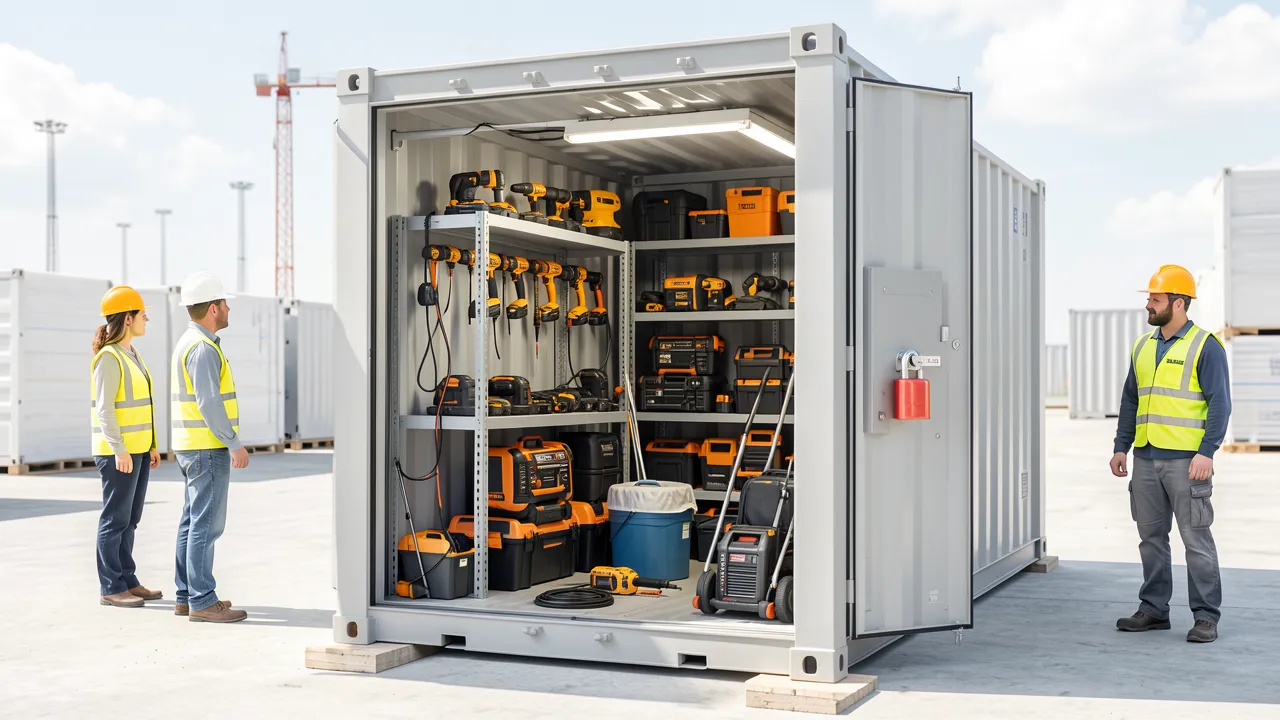
Construction tools are high-value, portable and frequently left on sites with changing access arrangements. A secure storage unit does more than keep equipment out of the rain. It helps you control who can reach expensive plant, hand tools, materials and documentation outside working hours. By choosing a unit that suits your inventory, site conditions and security process, you can reduce disruption, replacement costs and avoidable downtime.
Start with the risks on your particular site
Before comparing units, assess what you need to protect. A small refurbishment project with cordless tools has different requirements from a long-running development containing generators, specialist machinery and bulk materials. Make an inventory that includes replacement value, dimensions, battery requirements and how often each item is needed.
Consider the wider environment too. Is the unit located behind a locked gate, or in a publicly accessible area? Are there nearby roads, footpaths or properties that make unauthorised access easier? A storage unit should be positioned where it is visible to authorised staff without becoming easy to approach unnoticed.
Sites that use temporary offices and welfare facilities can benefit from planning the whole layout as one secure zone. Mobile classrooms for growing schools and estates also demonstrate how adaptable buildings can support evolving site requirements, particularly where access routes and usable space need careful management.
Your risk assessment should identify the most attractive items to thieves. Fuel-powered equipment, copper, power tools and batteries often need extra controls, such as separate lockable cages or internal cabinets.
Match the unit’s construction and size to your equipment
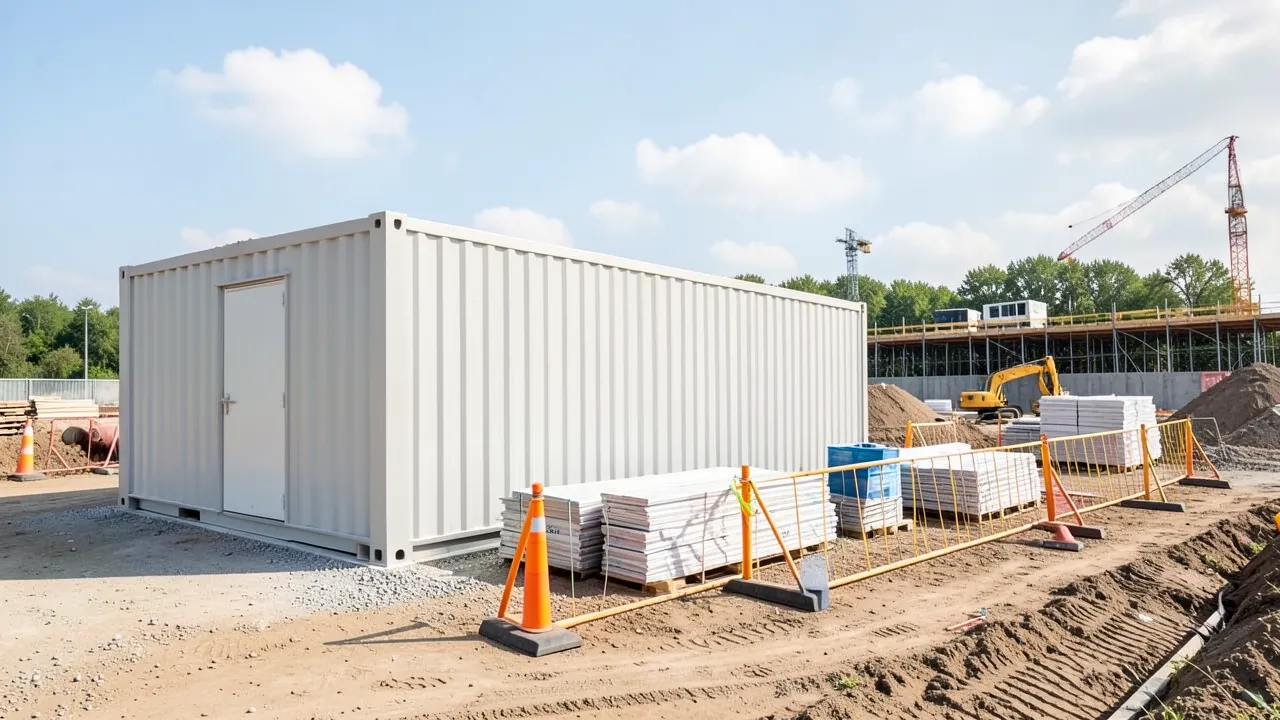
The physical specification of the unit forms the first layer of protection. Steel storage containers and purpose-built anti-vandal units are common choices for construction sites because they offer robust walls, weather resistance and limited entry points. Look closely at the door assembly, frame strength, hinges and locking points rather than relying on the appearance of the outer panels.
A unit with external hinges can be vulnerable unless the hinge system is protected. Recessed doors, anti-jemmy bars and concealed hinges make forced entry more difficult. A strong lock is only effective when the surrounding door and frame are equally secure.
Size matters for both security and day-to-day efficiency. Overfilling a unit can lead to tools being left near the entrance, making stock checks harder and creating a temptation to leave doors open while staff search for equipment. Leave adequate space for shelving, charging stations where suitable, and safe access to heavier items.
Your budget may allow for a new unit, but refurbished options can also provide reliable protection when inspected properly. When weighing the alternatives, New or used modular buildings in the UK offers useful context on checking condition, intended use and long-term value.
Build several layers of physical security
No single device can guarantee protection. Effective site security combines the storage unit with practical barriers and routines. Choose a location with firm, level ground, then secure the unit against movement where appropriate. Units that can be lifted or towed are more exposed if they are not anchored or positioned within a controlled compound.
Fit a high-quality closed-shackle padlock or integrated lockbox designed for outdoor construction use. Avoid leaving keys in vehicles, site offices or predictable hiding places. Use a controlled key register, or consider keypad and electronic access systems when several supervisors require entry.
For short-term projects, Portable buildings for temporary site storage can help you assess flexible storage arrangements without compromising the need for secure access. A temporary unit should still have a clear security plan from its first day on site.
Other useful measures include:
- Motion-activated lighting around entry points
- CCTV cameras covering doors, gates and vehicle approaches
- Fencing that prevents vehicles from reversing directly to the unit
- Alarm systems with visible warning signage
- A marked asset register with serial numbers and photographs
Visible security measures can discourage opportunistic theft, while monitored systems provide a record if an incident occurs.
Consider weather protection and responsible reuse
Security and weather resistance work together. Water ingress can damage electrical equipment, corrode tools and weaken packaging, causing losses even when no theft occurs. Inspect roof seams, door seals, ventilation points and floor condition. Adequate ventilation reduces condensation, especially where damp tools or materials are stored after outdoor work.
Battery-powered tools require particular care. Store batteries according to manufacturer guidance, away from heat sources, direct sunlight and flammable materials. If charging is permitted inside the unit, use professionally installed electrical systems and maintain clear space around charging equipment. Do not overload extension leads or leave damaged batteries unattended.
You can also balance security requirements with environmental objectives. Low carbon modular construction with reused units explains how reused modular units can support lower-carbon construction choices. A well-maintained pre-owned unit with secure doors, sound flooring and suitable upgrades may be a practical alternative to a newly manufactured building.
Establish clear rules for access and inventory control
The most secure unit can still be compromised by poor routines. Restrict access to named staff members, and make one person accountable for checking that the unit is locked at the end of every shift. Where teams change regularly, a simple handover checklist prevents uncertainty about who last entered the store.
Record tools when they are issued and returned. Digital asset tracking can be useful for larger projects, but a numbered register and regular physical checks also work well when consistently maintained. Label tools discreetly with company ownership details, and retain serial numbers separately from the unit.
Before selecting a storage unit, confirm that you can meet these practical requirements:
- The unit fits your current stock with room for orderly storage.
- Doors, hinges and locks resist forced entry.
- The location supports lighting, surveillance and controlled access.
- The floor, roof and seals protect equipment from moisture.
- Your team has a documented process for keys, access codes and tool checks.
Secure storage supports smoother construction work
Choosing the right storage unit protects more than your tools. It protects productivity, project schedules and your ability to keep teams equipped for the next task. Focus on durable construction, layered security, sensible placement and disciplined access procedures. With a unit matched to your site and inventory, you can create a safer, more organised base for valuable construction equipment.