Choosing shelving for portable storage cabins
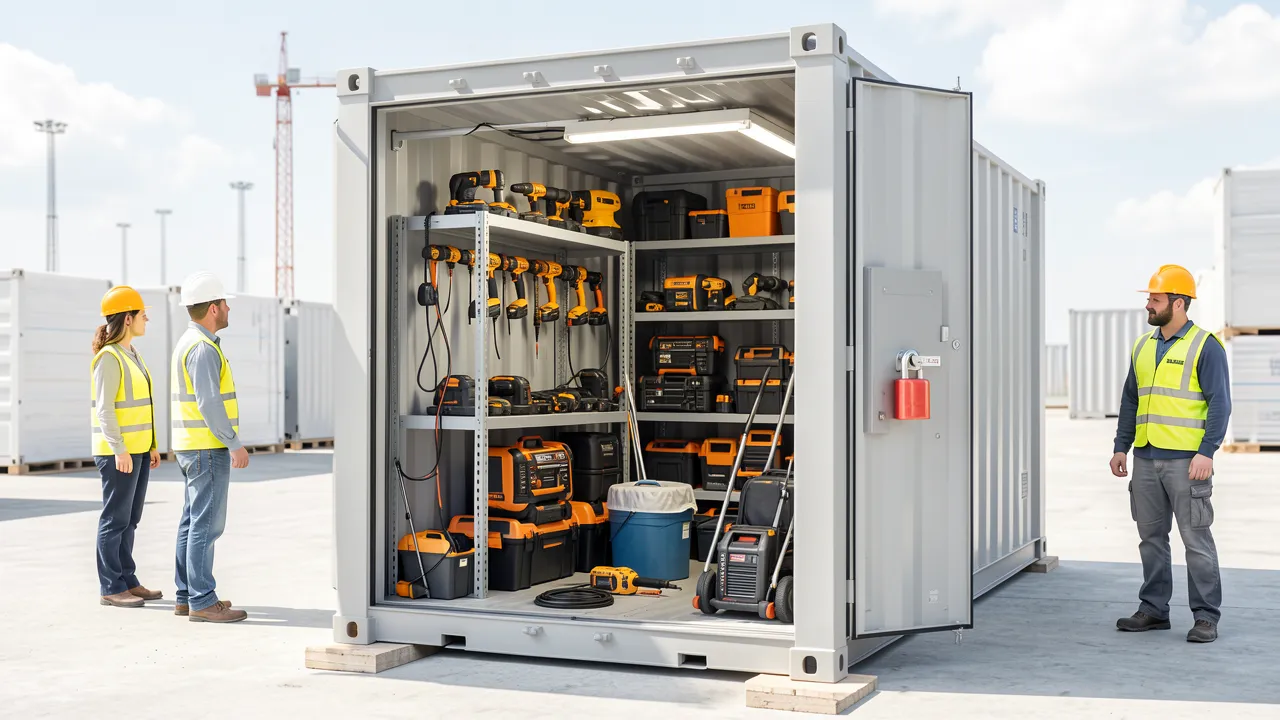
Choosing shelving for a portable storage cabin can make a major difference to how safely and efficiently you use the space. Whether the cabin stores tools, trade supplies, seasonal equipment or maintenance materials, the right shelving helps you find items quickly while keeping walkways clear. Your choice should account for the cabin’s dimensions, the weight of stored goods and the conditions on site.
Start with the cabin’s purpose and available space
Before ordering shelving, measure the internal length, width and ceiling height of your portable storage cabin. Include door clearance, windows, electrical fittings and any fixed equipment that may limit where shelving can be installed.
Think about how you need to access the contents. A unit used daily for hand tools and consumables benefits from open shelves positioned at eye and waist height. A cabin used for archive boxes or infrequently needed materials may accommodate deeper bays and higher storage levels.
Leave a clear central route from the entrance to the rear of the cabin. In a narrow unit, shelving along one wall may provide enough capacity while preserving comfortable access. Larger cabins can often support shelving on both sides, provided the remaining aisle is wide enough for safe lifting and carrying.
For site equipment, it is also worth reviewing How to choose secure storage units for construction tools before planning the internal layout. Security features, door positioning and tool types all influence the shelving arrangement.
Match shelf strength to the load you plan to store
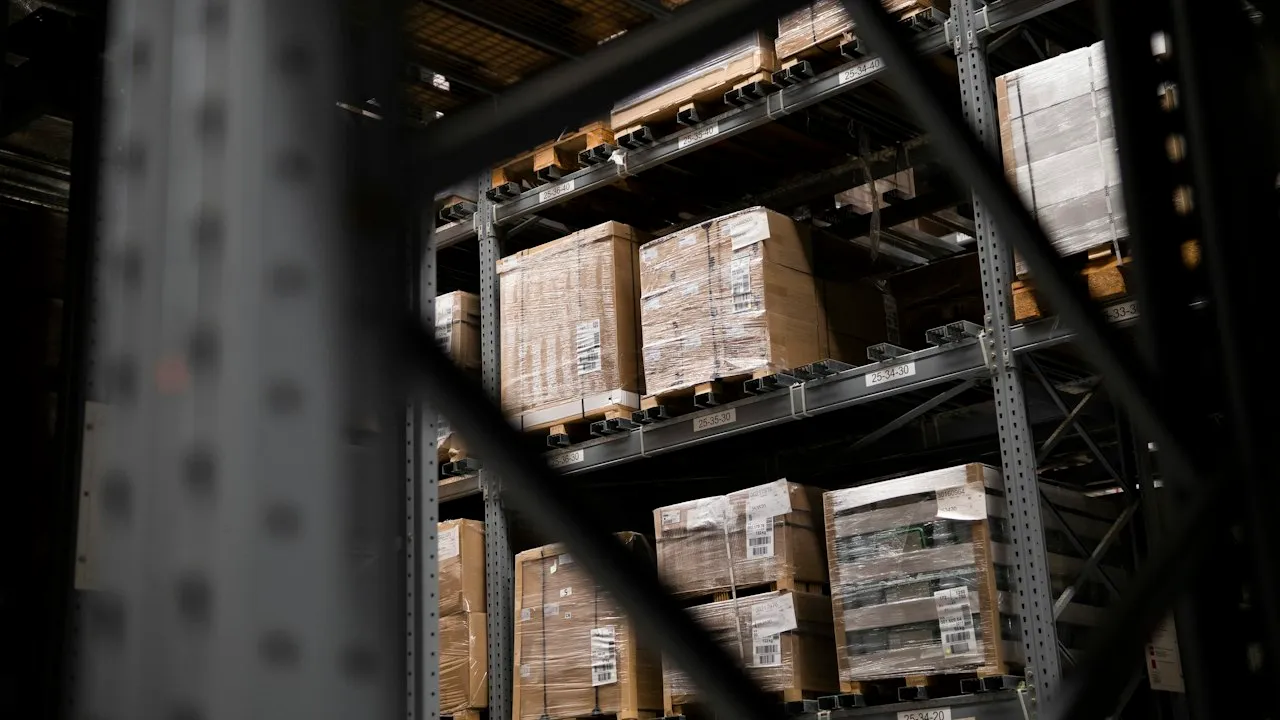
Shelving capacity is not simply a matter of choosing the largest unit that fits. Each shelf should be rated for the intended load, taking into account both the weight of individual items and the total weight spread across the bay.
Heavy-duty steel shelving is usually the most practical option for construction materials, power tools, paint tins, fixings and boxed stock. Look for clearly stated load ratings from the manufacturer. If you expect to store dense items such as tile adhesive, machinery parts or metal components, use reinforced shelves and avoid placing all the heaviest goods on a single upper level.
Place bulky and heavy objects on the lowest shelves. This reduces the risk of injury when lifting and helps keep the structure stable. Lighter items, such as protective equipment, cable ties and paperwork, can be stored higher up in labelled containers.
Wall-mounted shelving can save floor space, but only when the cabin walls and fixings are suitable. Many portable cabins have panel constructions that require mounting into a structural frame rather than thin internal cladding. Freestanding racking is often the safer, more flexible choice where you are unsure of the wall’s load-bearing capacity.
Select materials that suit site conditions
Portable storage cabins can experience changes in temperature and humidity, particularly where they are located outdoors or used only occasionally. Shelving materials should withstand these conditions without warping, corroding or becoming difficult to clean.
Galvanised or powder-coated steel shelves are durable and suitable for most commercial and construction settings. They are easy to wipe down and can tolerate accidental spills better than untreated timber. Plastic shelving can work well for lighter equipment, cleaning supplies and garden items, although it is rarely suitable for high loads.
Timber shelving may be appropriate for dry, low-demand storage, but it needs protection from damp and should be checked periodically for distortion. Moisture can also affect cardboard boxes, textiles and paper records stored on shelves.
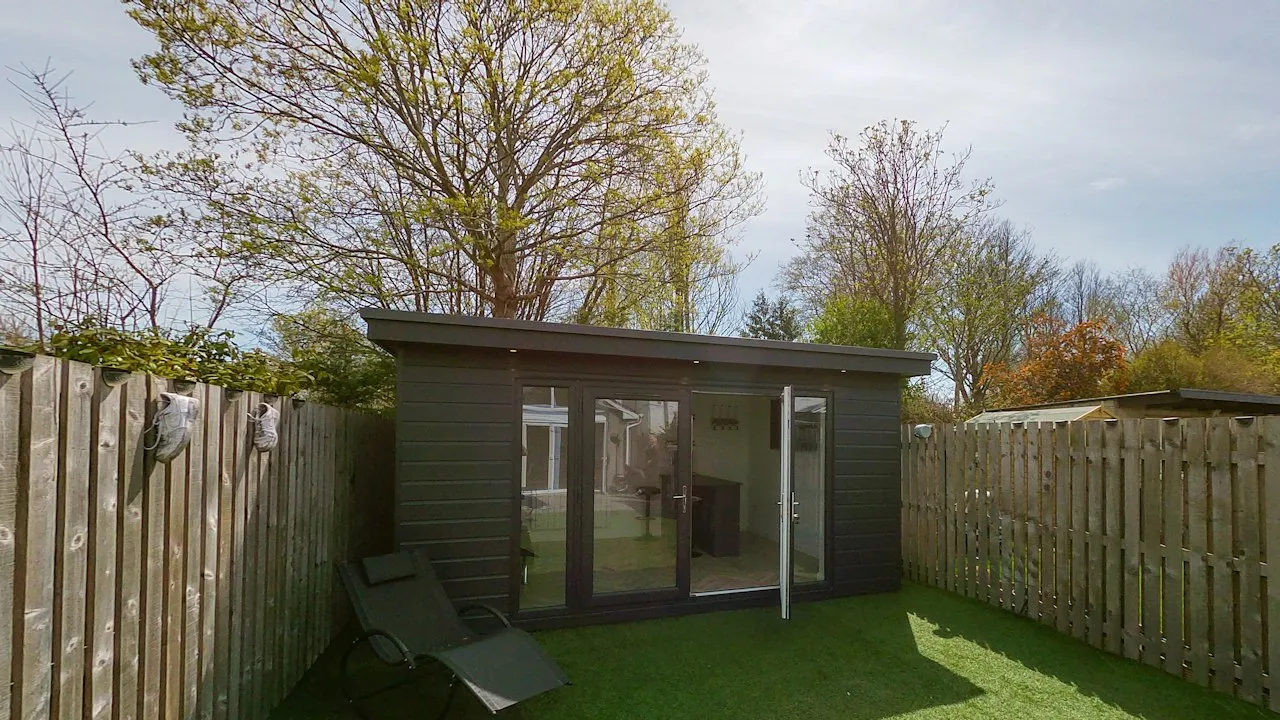
If the cabin is used as a garden office, hobby room or mixed-use space, control moisture before filling it with storage furniture. The guidance in How to prevent condensation and musty odours in a modular garden room can help you protect both shelving and stored possessions.
Make access and organisation part of the design
The best shelving layout does more than increase capacity. It supports a simple routine for putting items away and finding them again. Group equipment by task, trade or frequency of use, then assign each group a dedicated shelf or storage bay.
Adjustable shelving gives you flexibility as your needs change. You may need tall gaps for tool cases and short gaps for small-part boxes. Shelves with a raised edge can prevent loose items from slipping off, while clear plastic bins make it easier to identify contents without opening every container.
For a busy cabin, consider adding:
- Labels on shelf edges and storage boxes for quicker stock checks.
- Stackable containers for screws, fittings and small consumables.
- Lockable cabinets for hazardous products, confidential files or valuable tools.
- Rubber shelf mats to reduce movement and protect delicate equipment.
- A small inventory list fixed inside the door for shared storage areas.
Avoid overfilling shelves. Stored items should remain visible and easy to lift without pulling other objects forward. Keep chemicals, fuels and batteries in accordance with their product instructions, and separate incompatible materials where necessary.
Secure shelving to keep the cabin safe
Portable cabins can be moved, lifted or transported, so shelving must remain stable under normal use and during any planned relocation. Freestanding units should have a broad, level base, while tall racking should be anchored where the cabin structure allows it.
Check the floor condition before installing heavy shelving. A sound, level floor distributes weight more reliably and reduces the chance of doors sticking or shelving becoming misaligned. If the cabin will be transported with contents inside, remove loose items or secure them in closed containers. Many shelving systems are designed for stationary use rather than transport.
A well-planned shelving system creates safer access, protects valuable stock and makes a portable storage cabin work harder for you. By measuring carefully, choosing suitable load ratings and allowing for changing site conditions, you can build an organised storage area that remains practical over time.